
Optimal Timing for Water Treatments
Understanding the optimal timing for water treatments is essential for maintaining water quality and system efficiency. Proper scheduling ensures that water remains safe, clean, and effective for its intended use, whether for residential, commercial, or industrial purposes.
Water treatments are often most effective during specific seasons, such as spring and fall, when water usage patterns change and environmental factors impact water quality.
Conducting inspections before periods of high usage can prevent issues like buildup and corrosion, ensuring optimal performance.
Applying treatments before peak usage seasons and after can help maintain water system integrity and prevent contamination.
Temperature fluctuations influence water chemistry, making timing critical for effective treatment and minimizing risks of scaling or freezing.
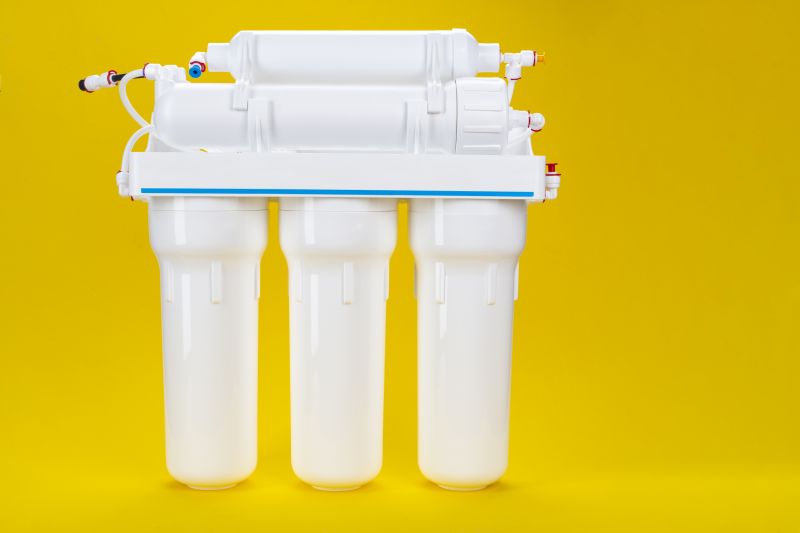
Water treatment systems installed in various settings.
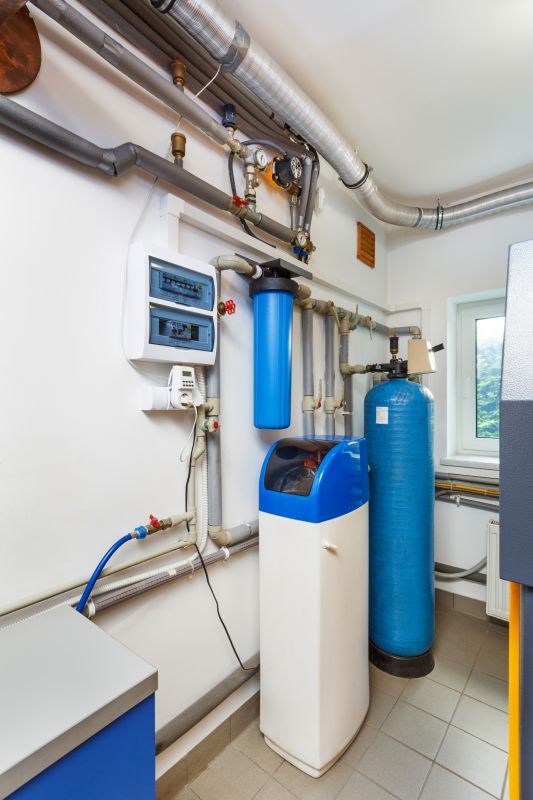
Technicians analyzing water samples for quality assessment.
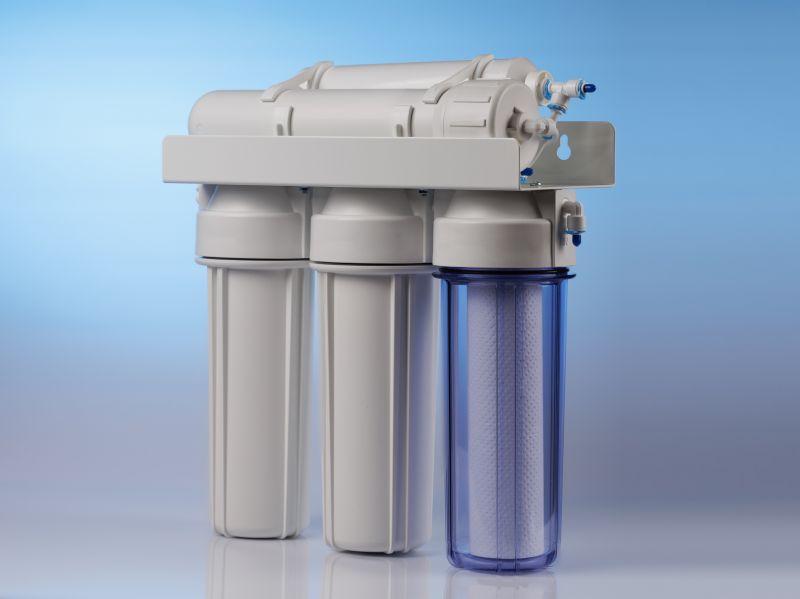
Illustration of filtration and purification stages.
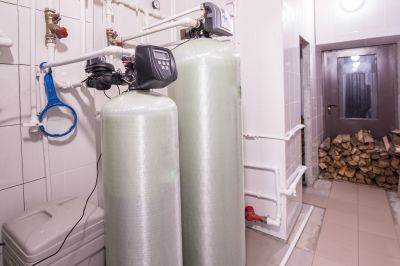
Ways to make Water Treatments work in tight or awkward layouts.

Popular materials for Water Treatments and why they hold up over time.
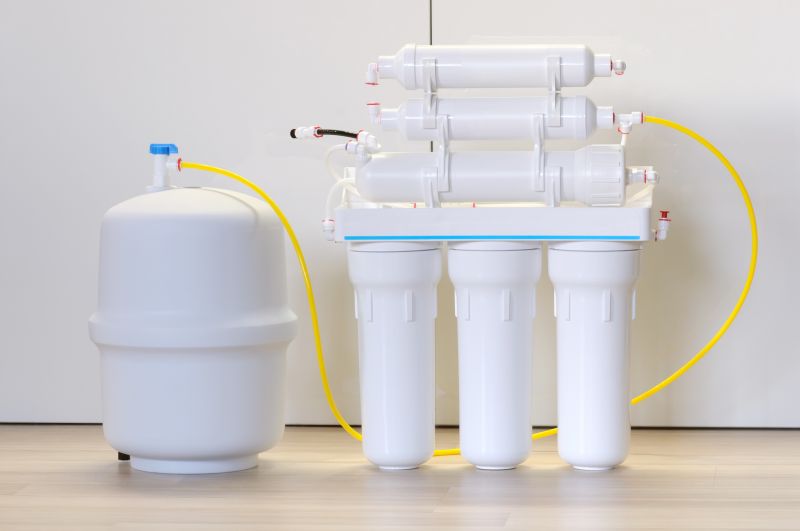
Simple add-ons that improve Water Treatments without blowing the budget.
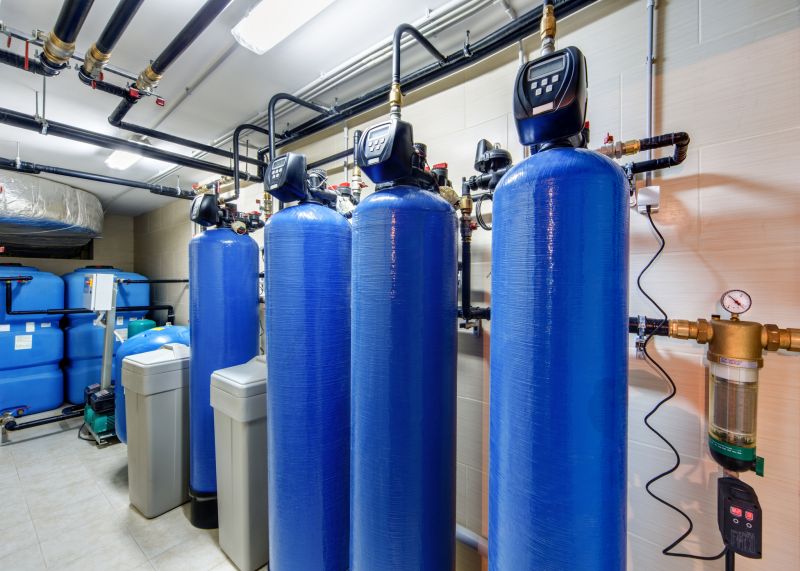
High-end options that actually feel worth it for Water Treatments.
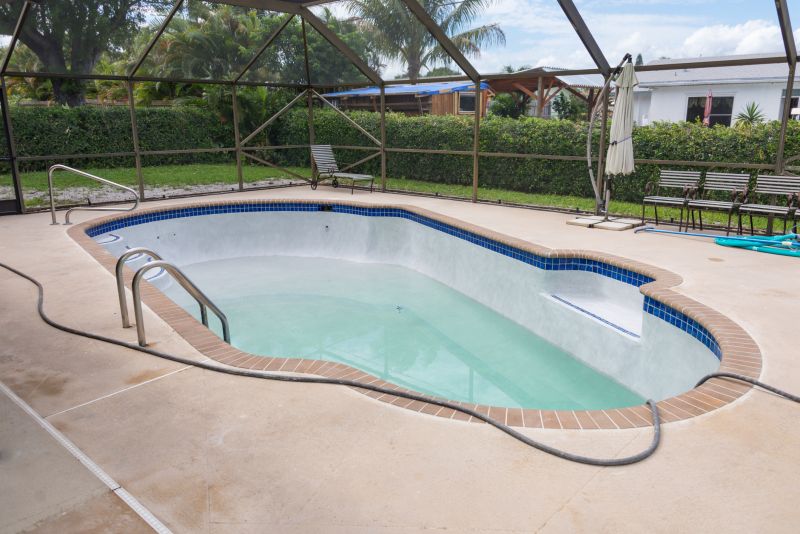
Finishes and colors that play nicely with Water Treatments.
| Timing Aspect | Details |
|---|---|
| Spring | Ideal for initial system cleaning and algae prevention. |
| Summer | Focus on maintaining water clarity and preventing bacterial growth. |
| Fall | Preparation for winter by removing buildup and ensuring system readiness. |
| Winter | Monitoring for freezing risks and performing necessary adjustments. |
| Post-Repair | Scheduling after repairs to ensure system stability. |
| Before High Usage | Prevents issues during peak demand periods. |
| After Heavy Storms | Removes debris and contaminants introduced by weather. |
Water treatments involve a variety of processes designed to improve water quality by removing contaminants, controlling scale, and preventing bacterial growth. These treatments can include filtration, chemical dosing, and disinfection. Proper timing enhances the effectiveness of these processes, reducing long-term maintenance costs and ensuring water safety. Statistics indicate that regular water treatments can reduce microbial bacteria by up to 99 percent and extend the lifespan of plumbing systems by preventing corrosion and buildup.
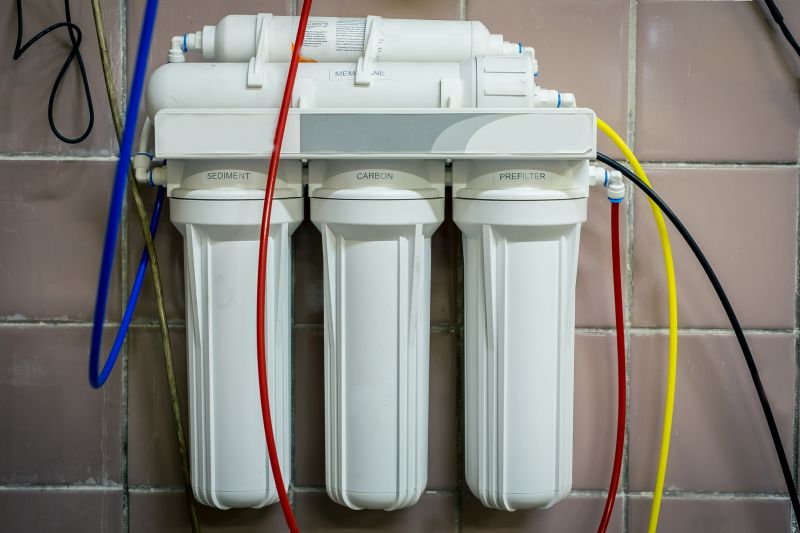
Different parts of a typical water treatment setup.
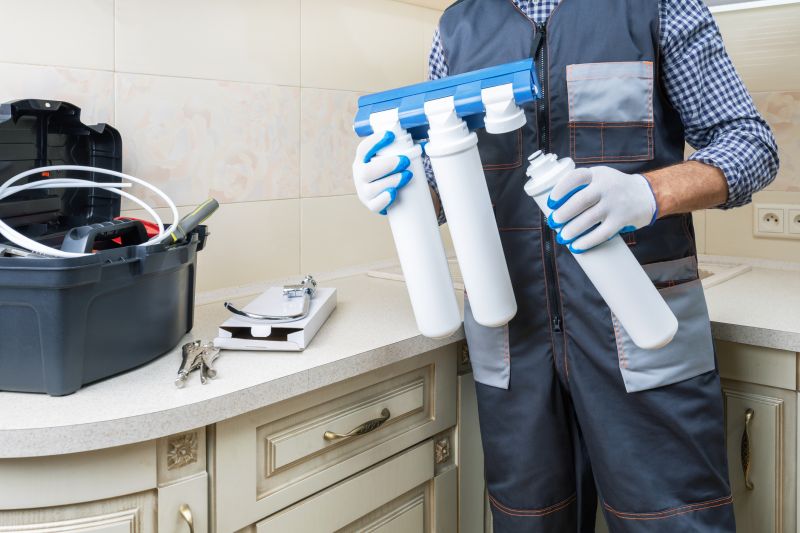
Equipment used to add treatment chemicals safely.
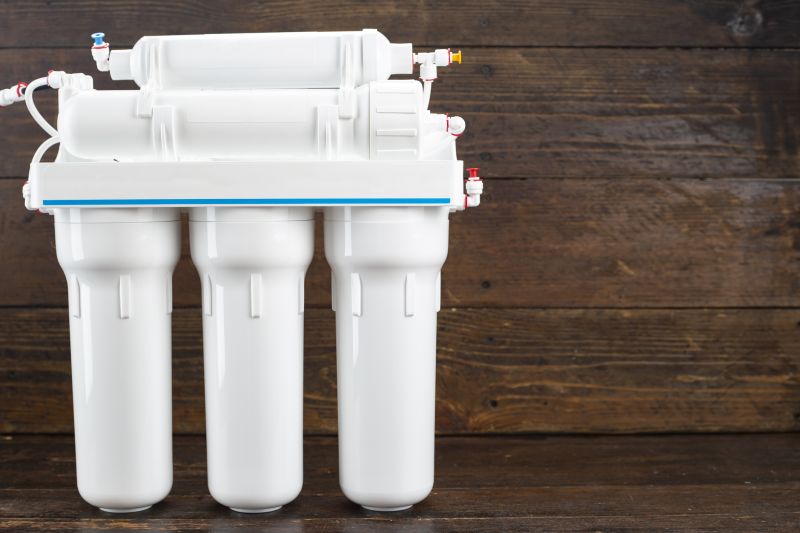
Various filters used in water purification.
Process of collecting water for quality analysis.

Little measurements that prevent headaches on Water Treatments day.
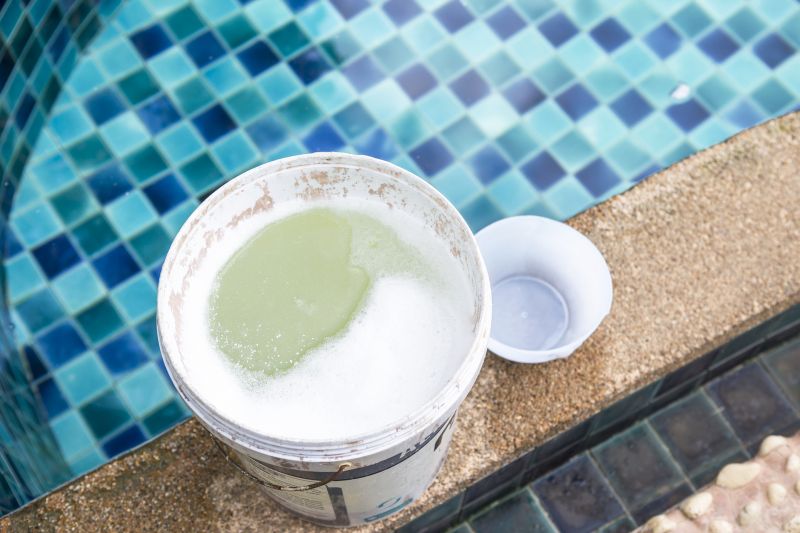
A 60-second routine that keeps Water Treatments looking new.
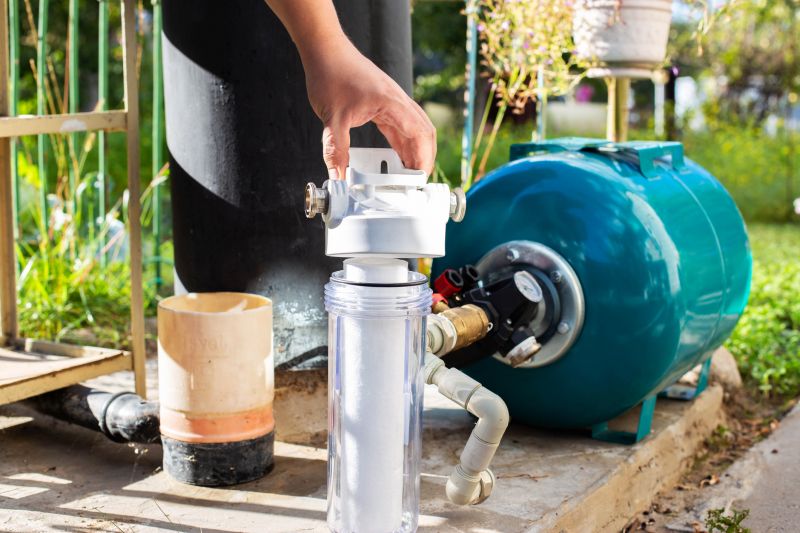
A frequent mistake in Water Treatments and how to dodge it.
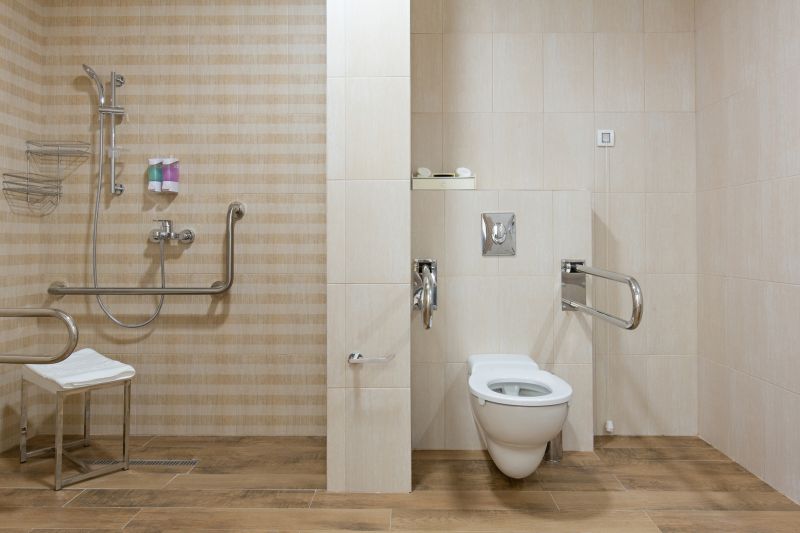
Small tweaks to make Water Treatments safer and easier to use.
Effective water treatment scheduling depends on local water source quality, seasonal weather patterns, and system usage. Regular assessments and adjustments ensure water remains compliant with health standards and operational efficiency. Consulting with water treatment professionals can optimize timing strategies tailored to specific needs.